
- reading-excellence-center
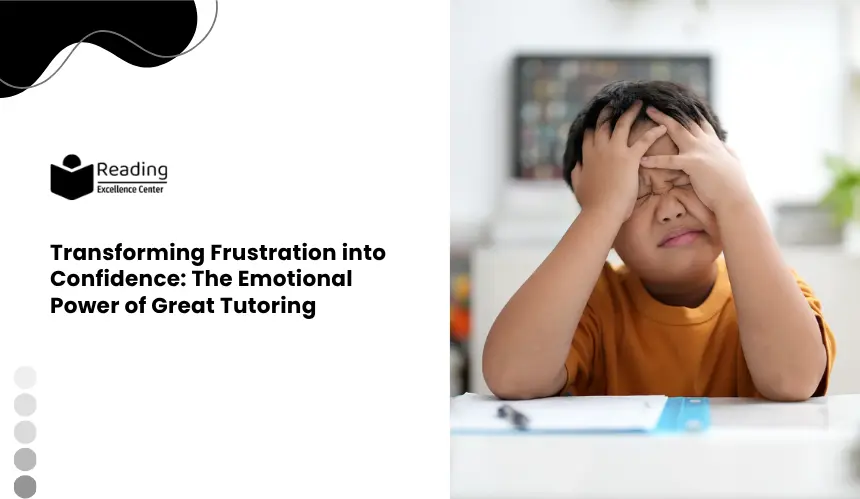
For many students, struggling with reading or comprehension feels isolating and overwhelming. In Reedley, where educational standards are high, children who fall behind can quickly lose confidence and motivation. But the right tutoring services do more than improve grades; they reshape how a child sees themselves as a learner. By combining emotional support with targeted instruction, great tutors help students move from frustration to confidence, unlocking both academic and personal growth.
The Emotional Impact of Learning Struggles
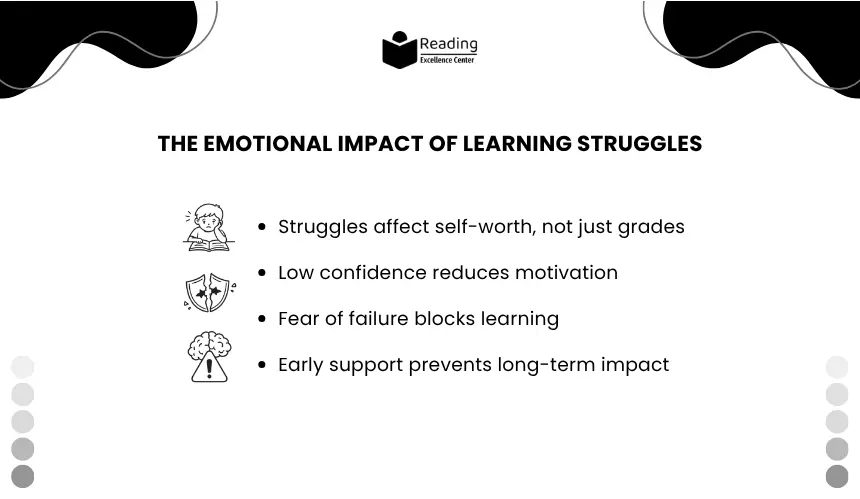
Academic challenges go far beyond test scores; they shape how children see themselves as learners. When a child repeatedly struggles to keep up, the impact reaches their self-worth, motivation, and willingness to try again. For many families in Reedley, these emotional effects become visible long before academic gaps are formally identified, making early intervention crucial.
Loss of Confidence and Avoidance
Each time a child experiences failure without understanding why, their confidence erodes a little more. Instead of viewing mistakes as part of learning, they start to internalize them as personal shortcomings. Phrases like “I’m just not good at reading” or “I’ll never get this” reflect a more profound belief that effort doesn’t lead to improvement. Without intervention, this avoidance turns into a defensive habit that blocks progress.
The Pressure of Comparison
In a classroom setting, comparisons are constant, grades, reading levels, and teacher feedback can amplify feelings of inadequacy. Children who struggle with reading or math may hide their challenges to avoid embarrassment, even pretending to disengage so that their peers won’t notice. Over time, this creates isolation and makes it harder for teachers to gauge the real problem.
Anxiety and Fear of Failure
The more often students struggle, the more they begin to associate schoolwork with anxiety. Even simple assignments can trigger stress responses, from stomach aches before school to tears during homework. When learning becomes a source of fear, attention, and memory, two key factors in reading success are severely affected, reinforcing the cycle of difficulty and frustration.
Emotional Fatigue for Families
Parents, too, feel the strain. Watching a child lose interest or confidence can lead to frustration or guilt, especially when efforts to help seem ineffective. Exceptional tutoring services help bridge this emotional gap, offering parents not only academic support but reassurance that progress is possible and recovery is within reach.
How Great Tutors Turn Emotions into Motivation
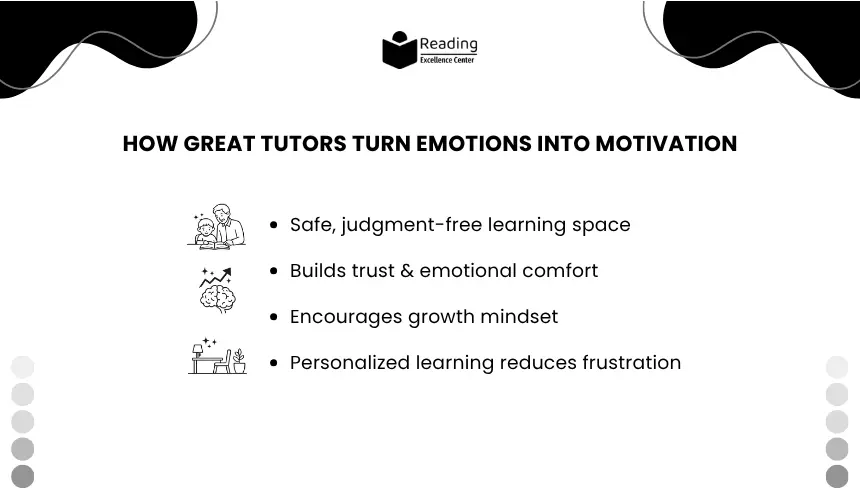
The best tutoring services in Reedley understand that emotional readiness is as crucial as academic instruction.
Building Trust and Safety
Effective tutoring begins with empathy. Skilled tutors create a judgment-free environment where mistakes are part of learning. Students start to relax, knowing they’re supported, not judged.
Encouraging a Growth Mindset
Tutors teach children to view challenges as opportunities to improve. They replace “I can’t” with “I can learn this.” This mindset shift helps students persevere through difficult material.
Personalized Learning to Reduce Frustration
When lessons are tailored to a student’s pace and style, frustration decreases. Each success, no matter how small, reinforces the belief that progress is possible.
The Science Behind Confidence-Building Tutoring
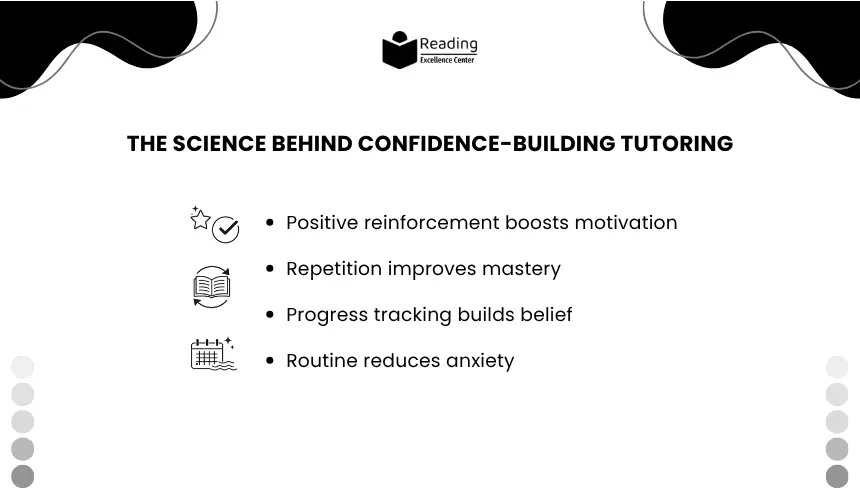
Educational psychology supports the emotional-first approach.
The Role of Positive Reinforcement
Celebrating small wins triggers motivation. Regular praise and milestone tracking help students recognize their own progress, which strengthens intrinsic confidence.
Repetition and Retrieval for Mastery
Structured repetition and active recall techniques improve retention, making once-difficult material easier to grasp. This steady progress builds competence and, therefore, confidence.
Emotional Regulation Through Routine
Consistent tutoring schedules help reduce anxiety by creating predictable, low-stress learning sessions that promote calm focus.
Parents’ Role in Supporting Confidence Growth
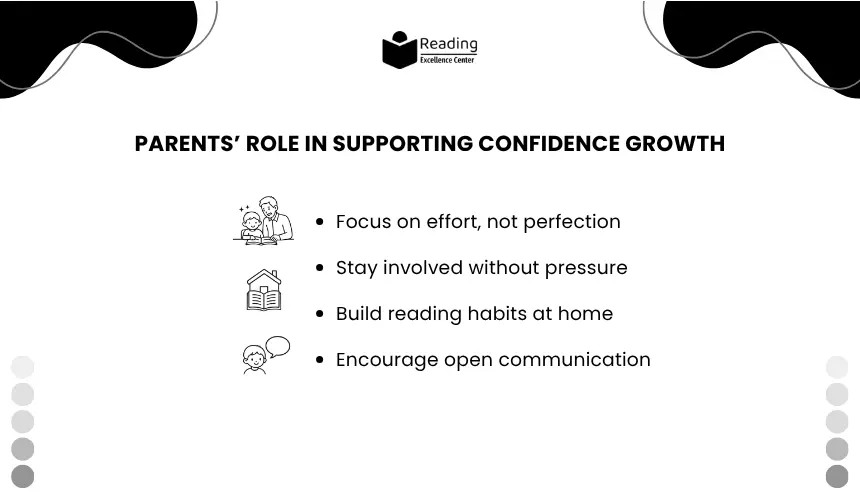
Even the most exceptional tutoring programs achieve lasting success only when reinforced at home. Parents play a vital role in translating classroom or tutoring progress into everyday confidence. The goal isn’t perfection, it’s nurturing persistence, curiosity, and pride in effort.
Focusing on Effort, Not Perfection
When parents praise hard work instead of flawless results, children internalize the idea that learning is a journey, not a test. Comments like “I’m proud of how you kept trying” help students associate effort with achievement, building resilience and independence.
Staying Involved Without Pressure
Active parental involvement doesn’t mean constant monitoring. Checking in with tutors, reviewing progress reports, and asking open-ended questions, like “What did you enjoy learning today?” strengthens communication without creating performance anxiety.
Creating a Reading-Rich Environment
Children mirror what they see. Surrounding them with books, storytelling, and positive literacy habits at home reinforces what’s taught during sessions. A dedicated reading corner or family reading time encourages natural curiosity and daily engagement with words.
Encouraging Self-Reflection and Ownership
Empower children to talk about what they’ve learned or what feels challenging. When they articulate progress or confusion, they take ownership of their learning journey, a skill that boosts confidence far beyond academics.
Partnering with Tutors as a Team
Consistency between home and tutoring environments accelerates growth. When parents share updates about mood, attention, or struggles, tutors can adjust their approach. This collaboration ensures a unified strategy focused on both emotional and academic progress.
Celebrating Small Wins
Recognizing small achievements, like finishing a book, improving test scores, or reading aloud confidently, instills a sense of accomplishment. Over time, these victories accumulate into genuine self-belief, the foundation of lifelong learning confidence.
From Struggle to Success; The Reedley Advantage
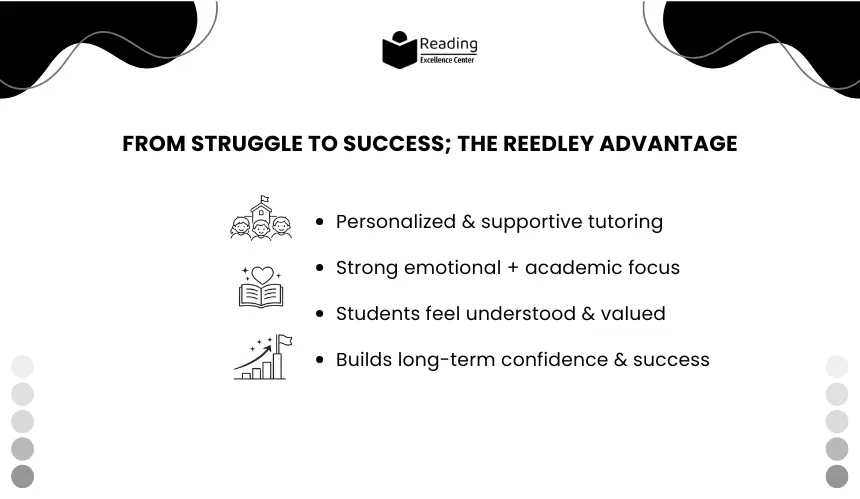
In a close-knit community like Reedley, many tutoring services offer personalized, faith-aligned, and family-driven instruction models that go beyond academics. These environments help students feel seen, understood, and celebrated, key ingredients in transforming learning frustration into long-term self-belief.
Frequently Asked Questions
How long does it take for tutoring to show results?
Most students begin showing measurable improvements within 6–8 weeks, depending on frequency and engagement.
What subjects do exceptional tutoring services in Reedley cover?
Many focus on literacy and math, but also provide support for writing, test prep, and executive functioning skills.
How do tutors handle students with low motivation?
Tutors use goal-setting, gamified progress tracking, and emotional support strategies to gradually rebuild motivation.
Can tutoring help with learning differences like dyslexia?
Yes, structured literacy approaches such as Orton-Gillingham are specifically designed for dyslexic learners and are highly effective.
Should parents attend tutoring sessions?
It depends on the student’s comfort level. However, brief debriefs after sessions keep parents informed and involved.
Conclusion
Confidence grows where patience, strategy, and compassion meet. For Reedley families seeking meaningful academic transformation, exceptional tutoring services don’t just improve grades; they restore joy in learning. Each success builds resilience, helping students step into the classroom ready not just to perform, but to believe in their ability to thrive.