

- reading-excellence-center
Students facing reading, math, or learning difficulties often experience frustration, decreased confidence, and academic gaps. Professional tutoring services in Reedley provide structured, individualized instruction that addresses each learner’s unique needs.
By combining evidence-based methodologies with small-group or one-on-one sessions and continuous progress monitoring, these services help students overcome challenges, build skills, and regain confidence. Tailored tutoring ensures measurable growth, fosters long-term academic success, and transforms educational obstacles into opportunities for achievement.
Personalized Instruction for Individual Learning Needs
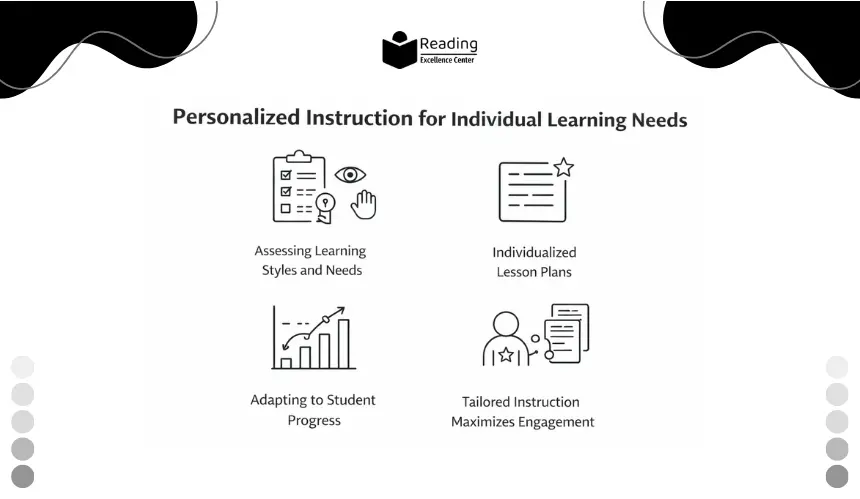
Personalization is key to effective tutoring. Every student has distinct learning styles, strengths, and areas for improvement. Customized instruction helps maximize engagement and accelerates skill acquisition.
Assessing Learning Styles and Needs
Tutors evaluate visual, auditory, and kinesthetic preferences to create lessons that resonate with each student. Assessments also identify specific skill gaps in reading comprehension, phonics, or problem-solving.
Individualized Lesson Plans
Customized lesson plans address weaknesses while reinforcing existing strengths. Tutors prioritize targeted practice in areas such as decoding, mathematical fluency, and critical thinking, ensuring that students progress at an appropriate pace.
Adapting to Student Progress
Tutors continuously adjust strategies based on performance and engagement. This dynamic approach ensures instruction remains challenging yet achievable, promoting skill mastery and reducing frustration.
Evidence-Based Methods for Learning Challenges
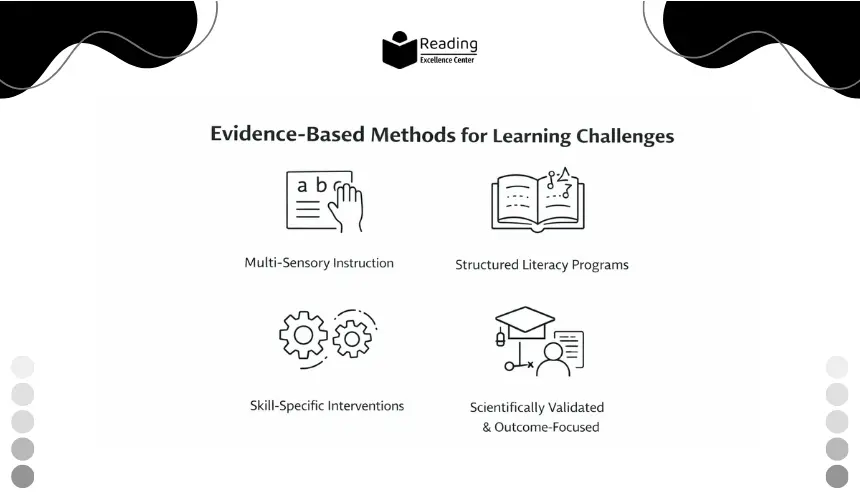
Evidence-based strategies are essential for effectively addressing learning difficulties. Evidence-based tutoring ensures methods are scientifically validated and outcome-focused.
Multi-Sensory Instruction
Engaging visual, auditory, and kinesthetic pathways reinforces reading, spelling, and comprehension skills. Techniques such as letter tracing while sounding them out improve neural connections and reading fluency.
Structured Literacy Programs
Systematic instruction emphasizes phonology, orthography, morphology, syntax, and semantics. This method is particularly effective for students with dyslexia or other decoding challenges.
Skill-Specific Interventions
Tutors focus on discrete skills such as vocabulary expansion, math problem-solving, or comprehension strategies. Targeted interventions ensure measurable growth and build foundational knowledge for future learning.
Progress Monitoring and Measurable Outcomes
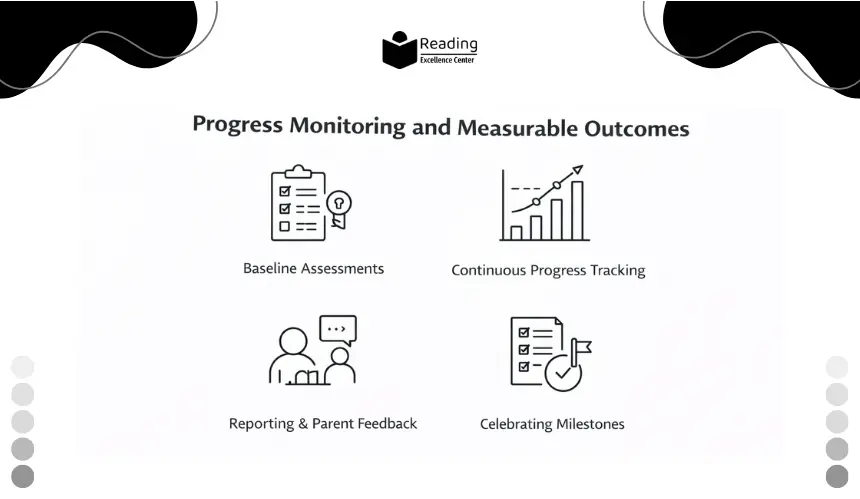
Monitoring student performance is critical for assessing the effectiveness of tutoring and refining instruction. Evidence-based tutoring relies on consistent data collection to identify strengths, address weaknesses, and ensure measurable academic growth.
Baseline Assessments
Comprehensive initial evaluations assess reading fluency, comprehension, math skills, and cognitive processing. These results provide a clear starting point, enabling tutors to create individualized learning plans and set realistic, measurable objectives tailored to each student’s needs.
Continuous Progress Tracking
Formative assessments, timed exercises, and reading logs provide ongoing insight into student progress. Tutors adjust pacing, practice intensity, and instructional methods based on real-time performance data to optimize skill development and reinforce learning effectively.
Reporting and Parent Feedback
Regular updates keep parents informed of their child’s progress, highlighting achievements and areas requiring additional focus. Clear communication enables parents to support learning at home, reinforce skills, and actively participate in their child’s educational journey.
Celebrating Milestones
Acknowledging both minor and major achievements fosters motivation and builds confidence. Celebrations and recognition encourage students to embrace challenges, stay engaged, and develop a sense of ownership over their learning progress.
Integrating Technology and Learning Tools
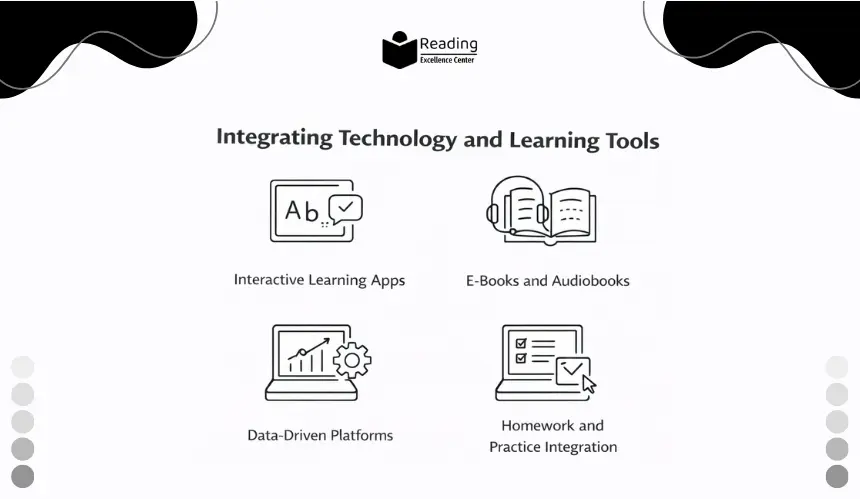
Incorporating digital resources complements traditional instruction by enhancing engagement, reinforcing skills, and providing interactive, personalized learning opportunities.
Interactive Learning Apps
Educational apps target key areas like phonics, reading comprehension, and math fluency. Instant feedback allows students to self-correct mistakes immediately, making learning both enjoyable and effective while supporting skill retention through repetition.
E-Books and Audiobooks
Text-to-speech technology and audiobooks engage multiple senses, supporting comprehension, fluency, and vocabulary acquisition. Students practice listening and reading simultaneously, reinforcing understanding and improving retention in a multi-modal learning environment.
Data-Driven Platforms
Adaptive software tracks progress in real-time, highlighting strengths and areas for improvement. Tutors use this data to personalize instruction, adjust lesson plans, and ensure that each student receives targeted support for optimal academic growth.
Homework and Practice Integration
Technology enables structured at-home practice aligned with tutoring lessons. Interactive exercises and digital assignments reinforce classroom instruction, promoting consistent skill development and fostering independent learning habits between sessions.
Building Confidence and Motivation
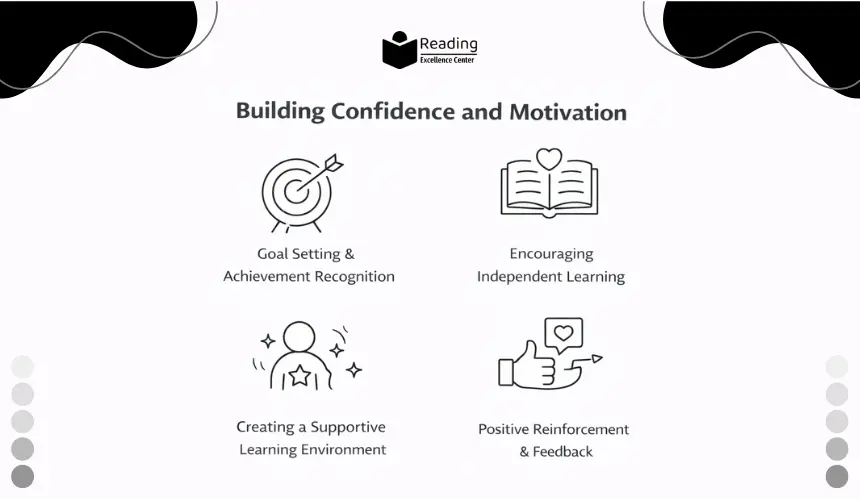
Academic struggles can impact self-esteem. Effective tutoring emphasizes encouragement, achievable goals, and consistent reinforcement.
Goal Setting and Achievement Recognition
Breaking objectives into small, attainable steps allows students to experience success regularly. Celebrating milestones reinforces motivation and fosters a positive learning mindset.
Encouraging Independent Learning
Tutors gradually increase the use of self-directed tasks and teach problem-solving and comprehension strategies. Developing independence enhances confidence and long-term skill retention.
Creating a Supportive Learning Environment
Safe, structured, and nurturing tutoring sessions reduce anxiety, enabling students to experiment with strategies, ask questions freely, and develop resilience in the face of challenges.
Positive Reinforcement and Feedback
Consistent, constructive feedback helps students recognize progress, understand areas for improvement, and stay motivated, turning learning challenges into tangible achievements.
Frequently Asked Questions
How are students assessed before starting tutoring?
Baseline assessments in reading, comprehension, and math identify strengths, weaknesses, and learning preferences, guiding personalized instruction.
Can technology replace one-on-one tutoring?
No. Digital tools complement personalized instruction but cannot replicate the adaptive, evidence-based guidance provided by professional tutors.
How quickly can students see improvement?
Results vary with learning challenges and consistency, but structured tutoring often yields measurable gains within weeks, with continued progress over months.
Are small-group sessions practical for struggling students?
Yes. Small groups provide peer support and collaborative learning, while allowing tutors to target individual needs within the group.
Conclusion
Professional tutoring services in Reedley combine individualized instruction, evidence-based strategies, technology integration, and continuous progress monitoring to help students overcome learning challenges. By addressing reading, math, and comprehension difficulties, these services build skills, confidence, and long-term academic success, transforming challenges into achievement.