
- reading-excellence-center
Students with dyslexia and other reading challenges often face significant academic obstacles that can impact confidence and long-term learning outcomes. An exceptional tutoring service in Kingsburg provides individualized, research-backed instruction that addresses each student’s unique needs. Evidence-based tutoring focuses on decoding, comprehension, fluency, and vocabulary development through structured, systematic approaches.
By combining small-group and one-on-one instruction, professional tutors ensure measurable progress while fostering motivation and engagement. Understanding the strategies, interventions, and outcomes of evidence-based tutoring helps parents and educators select the most effective programs to improve reading and support academic success.
Understanding Dyslexia and Reading Difficulties
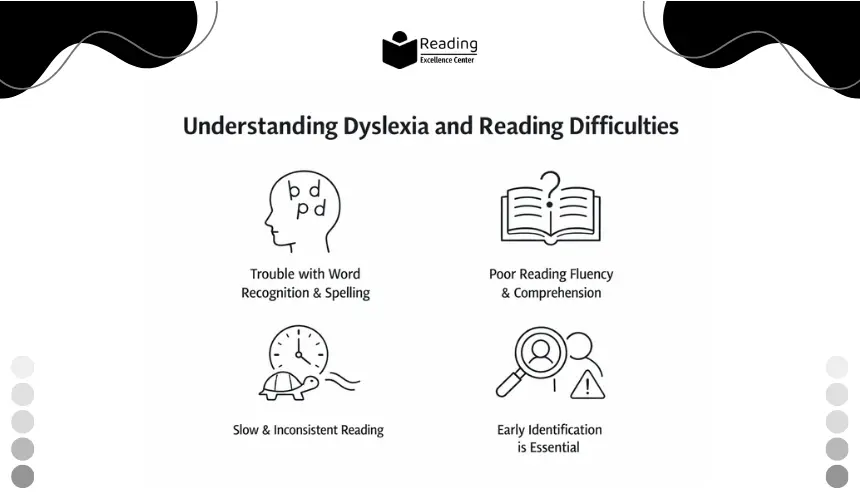
Dyslexia is a neurodevelopmental disorder characterized by difficulties with word recognition, decoding, and spelling, often resulting in reduced reading fluency and comprehension. Students without dyslexia may still struggle with reading due to limited exposure, phonological gaps, or learning interruptions. Early identification and targeted intervention are crucial for long-term literacy development.
Common Signs of Reading Difficulties
Students may exhibit difficulty with word-sound correspondence, poor spelling, inconsistent letter recognition, slow reading pace, or difficulty understanding text. Recognizing these indicators allows educators and parents to seek evidence-based support before challenges escalate.
The Importance of Early Intervention
Research consistently shows that interventions started in early grades significantly improve reading fluency, comprehension, and confidence. Prompt support prevents cumulative learning gaps and sets students on a path toward academic success.
Evidence-Based Tutoring Strategies
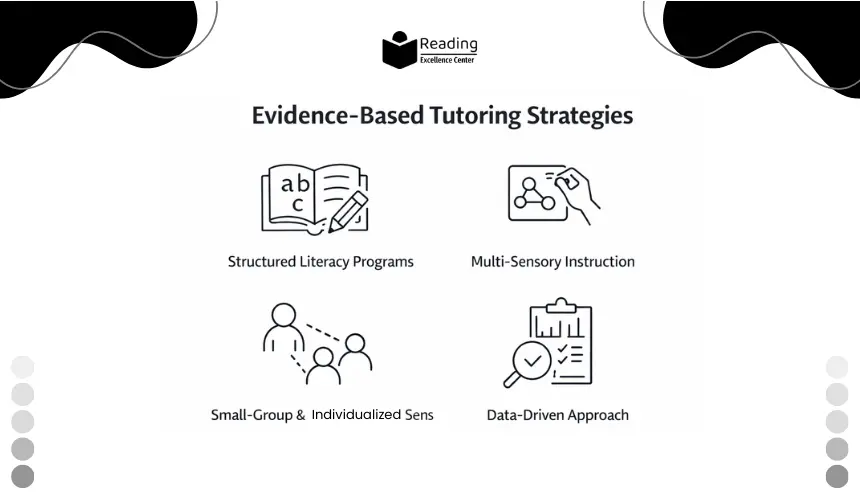
Evidence-based approaches combine proven methodologies with individualized instruction, ensuring that interventions are effective and measurable.
Structured Literacy Programs
Structured literacy emphasizes phonology, orthography, morphology, syntax, and semantics. Students learn letter-sound correspondence, decoding strategies, and multisensory techniques to internalize reading skills systematically.
Multi-Sensory Instruction
This method engages visual, auditory, and kinesthetic modalities simultaneously. Students might trace letters while saying sounds aloud or use manipulatives to connect symbols with phonemes, reinforcing neural pathways associated with reading.
Small-Group and Individualized Sessions
Combining one-on-one tutoring with small-group instruction allows tutors to provide personalized attention while fostering peer interaction. Group sessions encourage collaborative learning, while individual sessions target specific skill deficits efficiently.
Targeted Skill Development
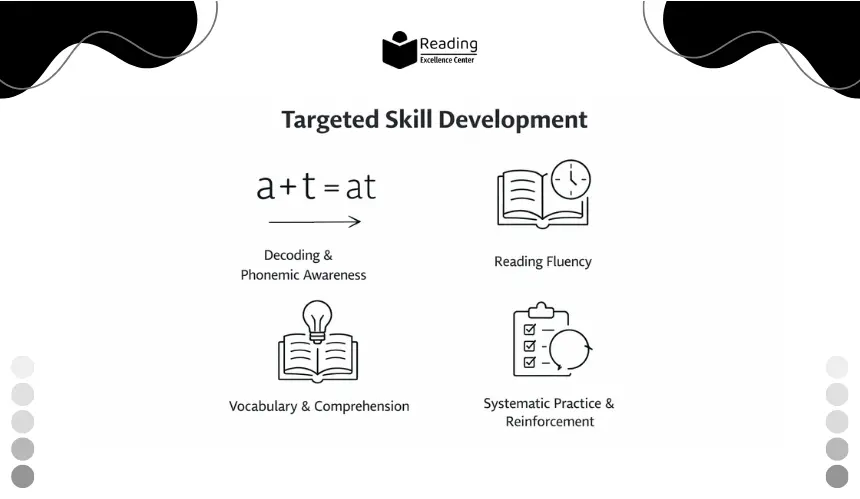
Evidence-based tutoring focuses on building foundational reading skills through structured practice and reinforcement.
Decoding and Phonemic Awareness
Students learn to segment, blend, and manipulate sounds in words, improving decoding accuracy and spelling. Systematic phonics instruction strengthens word recognition and builds confidence in reading unfamiliar words.
Reading Fluency
Timed reading exercises, repeated reading, and guided oral reading practices increase speed, accuracy, and expression. Fluency practice allows students to focus on comprehension rather than decoding each word.
Vocabulary and Comprehension
Explicit instruction in vocabulary, sentence structure, and context cues enhances understanding. Tutors use questioning strategies, summarization, and prediction techniques to strengthen comprehension and critical thinking skills.
Progress Monitoring and Measurable Outcomes
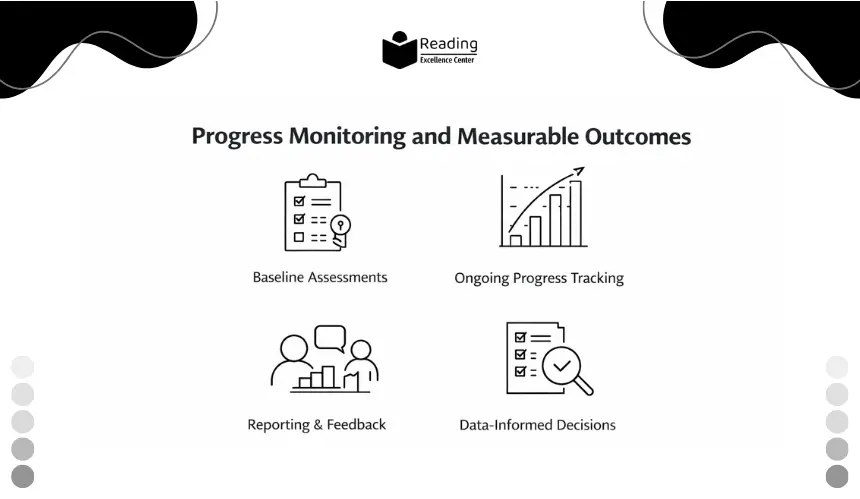
An exceptional tutoring service emphasizes continuous assessment to evaluate student growth, inform instructional adjustments, and ensure measurable improvement in reading skills. Regular monitoring allows tutors to identify challenges early, tailor lessons to evolving needs, and maintain accountability for both students and parents.
Baseline Assessments
Initial evaluations assess decoding, fluency, comprehension, and phonemic awareness. These results provide a clear picture of each student’s strengths and weaknesses, allowing tutors to develop individualized learning plans and set realistic, achievable goals for targeted intervention.
Ongoing Progress Tracking
Frequent monitoring through formative assessments, reading logs, timed exercises, and standardized tools ensures instruction adapts to student performance. Tutors adjust lesson pacing, practice intensity, and skill focus based on objective data, promoting consistent advancement and skill retention.
Reporting and Feedback
Regular progress reports, parent-teacher consultations, and visual progress charts provide transparency and actionable insights. Constructive feedback helps students recognize their achievements, remain motivated, and understand the next steps in their reading journey.
Data-Informed Decision Making
Using assessment data, tutors can prioritize interventions for specific skill gaps, identify patterns in learning challenges, and select evidence-based strategies most likely to produce meaningful improvements.
Integrating Technology and Learning Resources
Digital tools and adaptive learning platforms enhance evidence-based tutoring by providing interactive and engaging ways to reinforce reading skills beyond traditional lessons. Technology complements personalized instruction while offering real-time feedback and measurable outcomes.
Phonics and Reading Apps
Interactive software reinforces phonemic awareness, decoding, and spelling through games, auditory feedback, and corrective guidance. Students receive immediate reinforcement, making practice both enjoyable and effective, while tutors track progress and adjust instruction accordingly.
E-Books and Audio Materials
Text-to-speech tools and audiobooks allow students to practice comprehension and fluency simultaneously. Multi-sensory exposure engages auditory and visual learning channels, enhancing retention and reinforcing decoding skills in real-world reading contexts.
Data-Driven Instruction
Adaptive learning platforms track skill acquisition and mastery in real time. Tutors leverage this data to personalize lessons, target weaknesses, and optimize practice sessions, ensuring instruction is efficient and tailored to each student’s needs.
Homework Integration and Independent Practice
Technology enables structured at-home practice that reinforces classroom learning. Tutors can assign exercises aligned with ongoing lessons, providing parents with clear guidance to consistently support skill development.
Supporting Student Confidence and Motivation
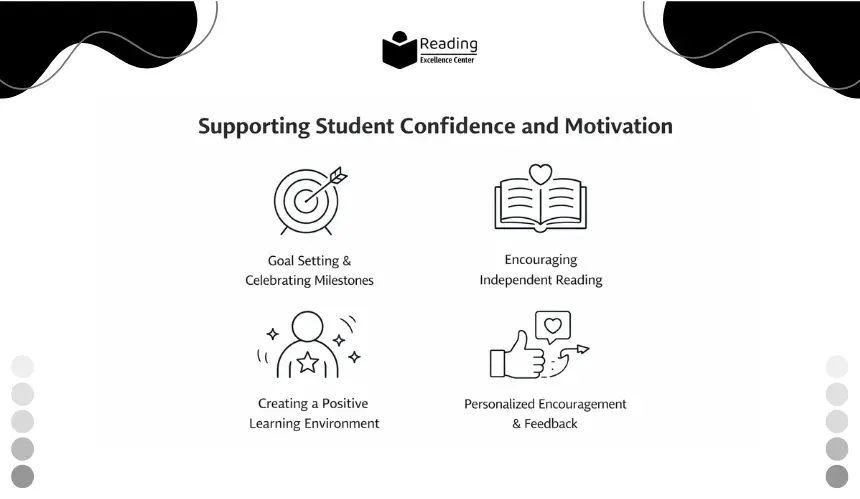
Reading challenges can impact self-esteem, but evidence-based tutoring emphasizes encouragement, achievable goals, and consistent reinforcement to build both skill and confidence.
Goal Setting and Celebrating Milestones
Breaking reading objectives into small, measurable goals allows students to experience frequent successes. Recognizing and celebrating achievements motivates learners, fosters self-confidence, and reinforces positive attitudes toward reading.
Encouraging Independent Reading
Tutors gradually increase independent practice, providing strategies to build autonomy and ownership of learning. Supported independent reading encourages risk-taking, improves comprehension, and promotes long-term literacy habits.
Creating a Positive Learning Environment
Safe, structured, and supportive classrooms reduce anxiety and build trust. A nurturing environment allows students to experiment with new reading strategies, ask questions freely, and develop resilience when encountering challenging texts.
Personalized Encouragement and Feedback
Consistent, individualized praise and corrective feedback help students recognize progress while maintaining motivation. Tutors celebrate incremental improvements, assisting students to view challenges as opportunities rather than obstacles.
Fostering a Love for Reading
Incorporating age-appropriate, engaging texts and connecting lessons to student interests enhances enjoyment. A positive emotional connection to reading strengthens engagement and encourages lifelong learning habits.
Frequently Asked Questions
How does evidence-based tutoring differ from traditional tutoring?
It relies on scientifically validated methods, continuous assessment, and systematic instruction tailored to each student’s needs.
Can students with severe dyslexia benefit from small-group sessions?
Yes. Small groups provide peer support while allowing individualized attention for targeted skill development.
How quickly do students see improvement?
Progress varies; some show noticeable gains within weeks, while others require sustained intervention over months. Continuous monitoring guides instructional adjustments.
Are digital tools practical for reading interventions?
When integrated with expert tutoring, technology reinforces skills, enhances engagement, and accurately tracks progress.
How vital is parent involvement?
Very. Reinforcing skills at home, tracking practice, and collaborating with tutors enhances student outcomes and builds consistent reading habits.
Conclusion
An exceptional tutoring service in Kingsburg employs evidence-based strategies to address dyslexia and reading difficulties effectively. By combining structured literacy, multi-sensory instruction, small-group and individualized sessions, and continuous progress monitoring, professional tutors help students build reading skills, confidence, and long-term academic success.